

Claude and OpenArt pricing, free vs paid, and when to upgrade
A straight answer on Claude and OpenArt pricing, what is free, the limits, and when a paid plan actually helps.

A straight answer on Claude and OpenArt pricing, what is free, the limits, and when a paid plan actually helps.

A clear breakdown of Google Local Services Ads missed call charges, the refund process, and how to avoid paying for bad leads.
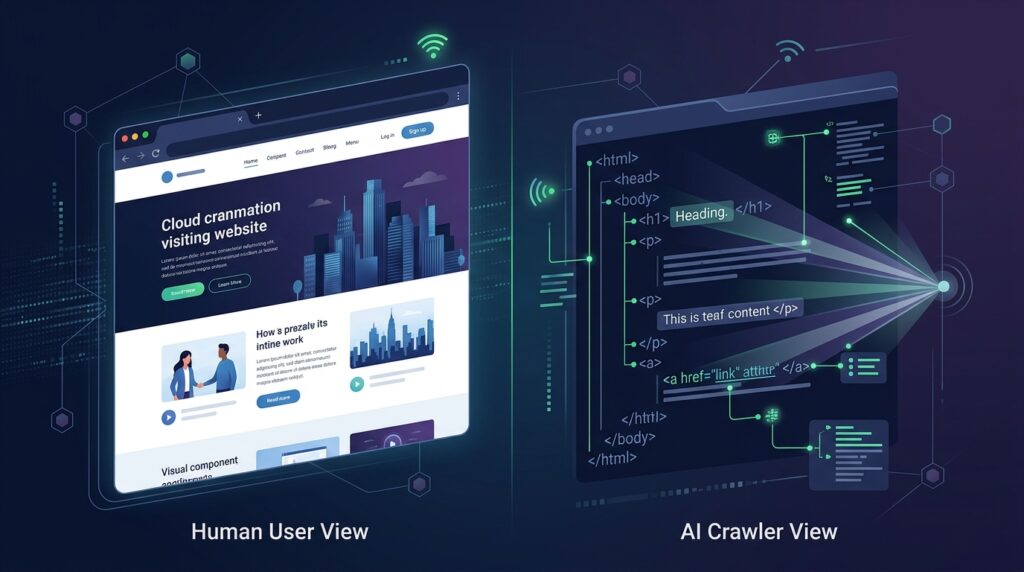
Your website can look perfect in a browser while a crawler receives something very different. Here is how I started testing the gap after finding it on my own sites.

My Lovable sites looked fine in a browser. Building an AI readability checker made me look at routing, crawlable pages and server-readable content very differently.

I built websites with AI that looked perfectly normal. I didn’t know some had readability problems until I built a tool to check what AI crawlers could actually see.
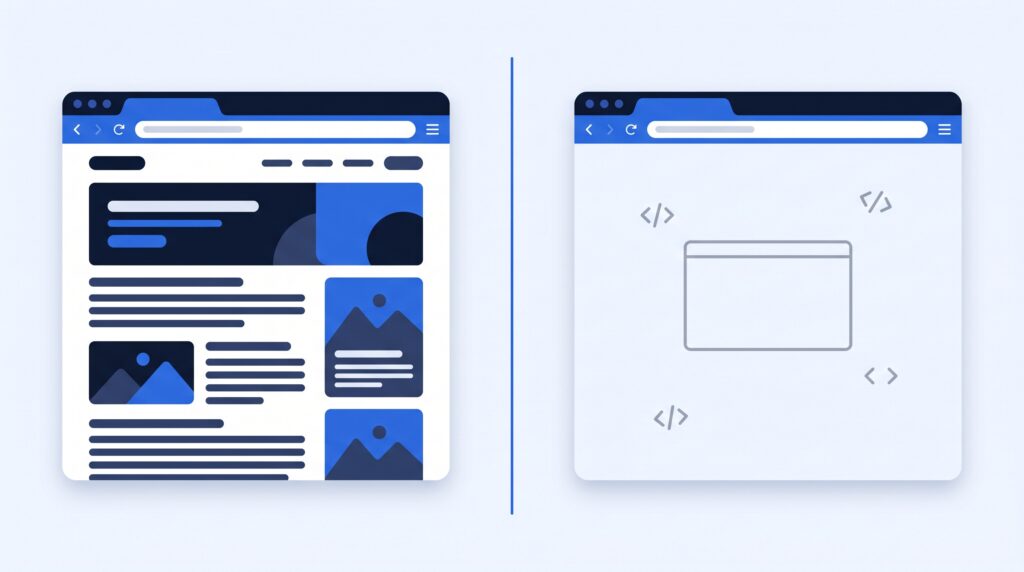
AI website builders can create sites that look like they have multiple pages while crawlers receive an app shell or duplicate content. Here’s what I found testing my own sites and how to check yours.

Blocking AI crawlers is not one yes-or-no decision anymore. Search discovery, model training and user-triggered access can involve different controls.

AI visibility is not only about allowing a crawler. Your HTML, metadata, structured data and business identity all affect how clearly a machine can understand a page.
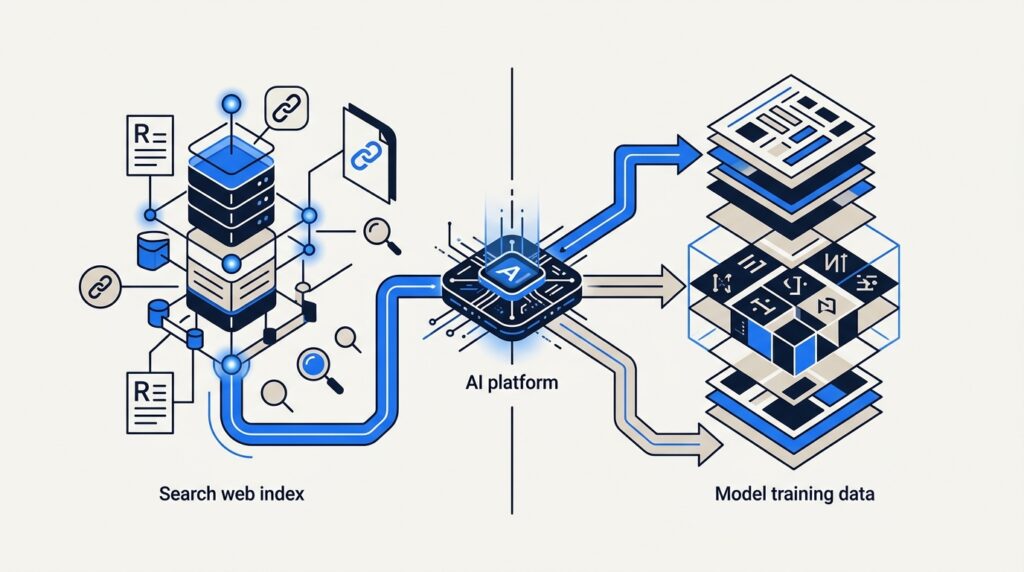
GPTBot and OAI-SearchBot do different jobs. Understanding the difference lets you make a deliberate choice about AI training and ChatGPT search visibility.

Your site can rank in Google and still be difficult for AI search systems to crawl or understand. Here is how to check what ChatGPT and other AI systems can actually access.
